
Rescission of contract
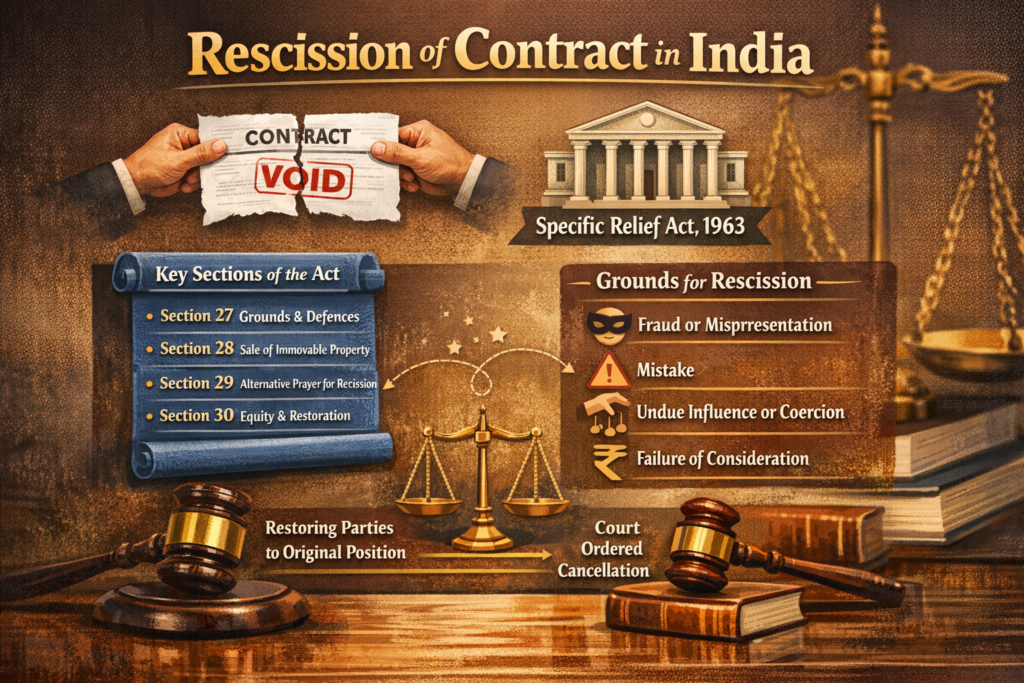
Rescission of Contract Contracts are the foundation of legal relationships in various aspects of life, whether personal or business. However, there are situations where a contract may need to be invalidated due to unforeseen circumstances, misrepresentation, fraud, or other factors that render the agreement unenforceable. This is where the doctrine of rescission comes into play, […]
Section 281 of the Bharatiya Nyaya Sanhita (BNS) 2023
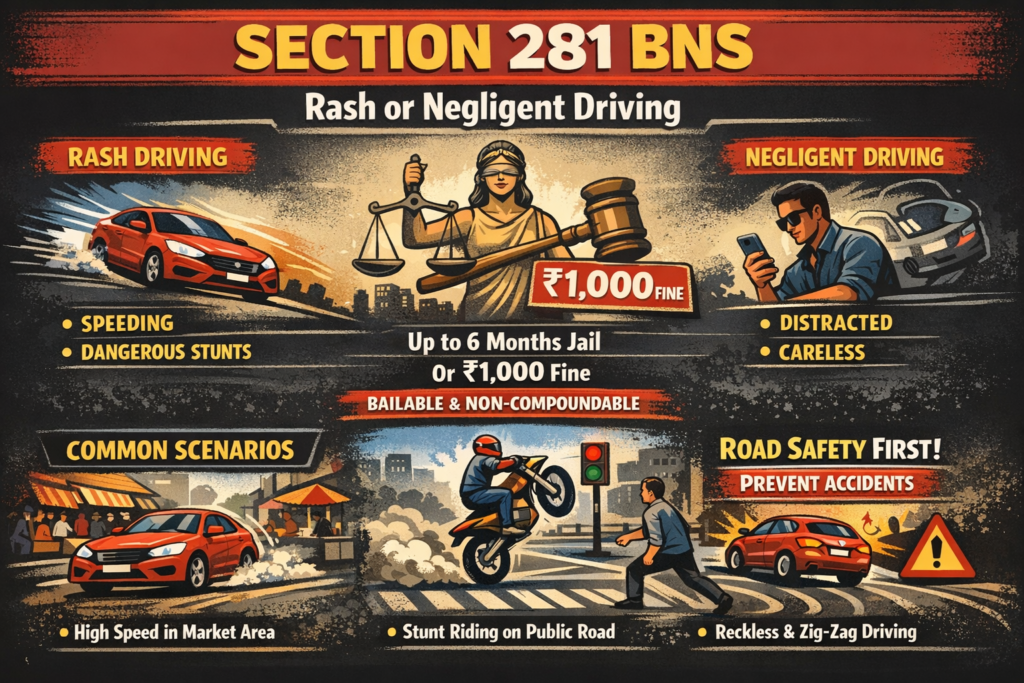
Section 281 of the Bharatiya Nyaya Sanhita (BNS) 2023 Section 281 of the Bharatiya Nyaya Sanhita (BNS) deals with the offense of rash or negligent driving or riding on a public way. Whoever drives any vehicle, or rides, on any public way in a manner so rash or negligent as to endanger human life, or […]
Bailable and non bailable offences under BNSS
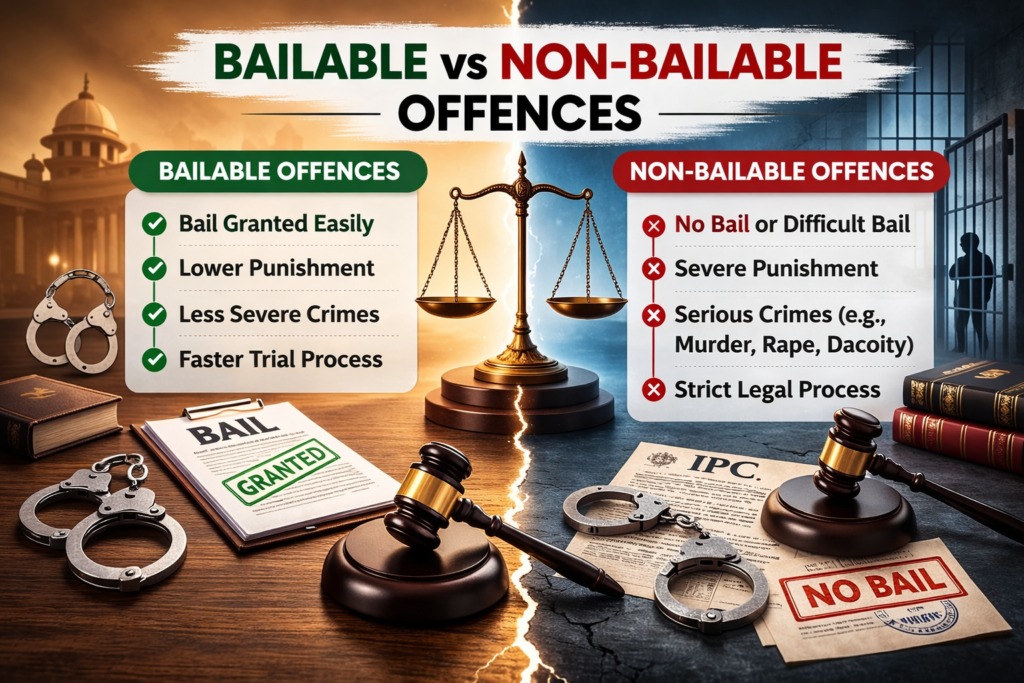
Bailable and Non Bailable offence Under the Bharatiya Nagarik Suraksha Sanhita (BNSS), offences are classified as bailable and non-bailable based on their seriousness.A bailable offense is a civil/criminal offense for which a court of law grants bail to the accused on a condition to submit a bail bond. However, granting bail doesn’t mean that the accused is […]
Protection of Children from Sexual Offences (POCSO)

POCSO is the acronym for ‘Protection of Children against Sexual Offences Act’ of 2012. With its enactment, India now has one of the most comprehensive and ambitious laws that not only allows justice for children who are victims of sexual offences but also takes into account the best interests and well-being of the child.In 2012, […]
Anticipatory Bail
Anticipatory bail, often referred to as pre-arrest bail, is a legal remedy under Section 482 of BNSS. It allows individuals who anticipate arrest on charges of a non-bailable offense to approach the High Court or Sessions Court for bail before the actual arrest occurs. This provision is particularly significant for those facing the possibility of false […]
Regular Bail
A regular bail is sought after an accused has been arrested by the police / investigating agency. When a person is arrested, he has to be produced before a Magistrate within 24 hours of arrest. The Magistrate can then send the accused to either police or judicial custody. At this point in time, a regular […]